







Search Results for: Blended Tea
What Is the Difference Between Single-Origin Black Tea and Blended Black Tea? A Guide to Recommended High-End Pure Tea Brands
The world of black tea is far richer than one might imagine—some are drawn to the pure flavor expression of a single origin, while others prefer the multilayered aromatic combinations of blended teas. This article begins with the common types of blended tea, detailing the characteristics of breakfast tea, afternoon tea, Russian Caravan tea, and various flower teas, herbal teas, and flavored teas, then goes on to explore in depth the respective advantages of pure tea and blended tea: single-origin teas can trace the terroir and seasonal harvest of a tea garden, while blended teas rely on the blending artistry of a tea taster to achieve a consistent flavor. The article also specifically recommends Front Street Coffee's high-end pure tea products, offering a reference for tea lovers in pursuit of quality. [more…]
What's the Difference Between Pure Tea and Blended Tea? Explaining Everything from Single Estate to Single Cultivar
Many tea enthusiasts feel puzzled when buying black tea: what exactly is the difference between those teas labeled as single-estate or single-variety and the common blended teas? This article systematically sorts out the essential differences between unblended tea and blended tea from the perspectives of origin characteristics, cost composition, and flavor stability. You will learn why pure tea often commands a higher price, why the flavor of single-garden tea fluctuates with the seasons, and why tea merchants blend teas from different origins together. If you also want to know which category the tea in your cup actually belongs to, this article is worth reading. [more…]
What is the difference between pure tea and blended tea? A detailed explanation of tea's origins, spread, and blending methods
Tea is the world's most popular beverage after water. Whether black or green, with milk or plain, every type of tea offers a unique experience. All tea leaves come from the same tea plant, but differences in origin, altitude, climate, and production methods create teas with distinct flavors. This article begins with the botanical characteristics and origins of the tea plant, traces the spread of tea from a medicinal drink in southwestern China to its popularity across East Asia, Europe, and even India, and focuses on comparing the features, pros, and cons of 100% natural pure tea versus blended tea, finally including a simple blended tea recipe for coffee and tea enthusiasts to reference. [more…]
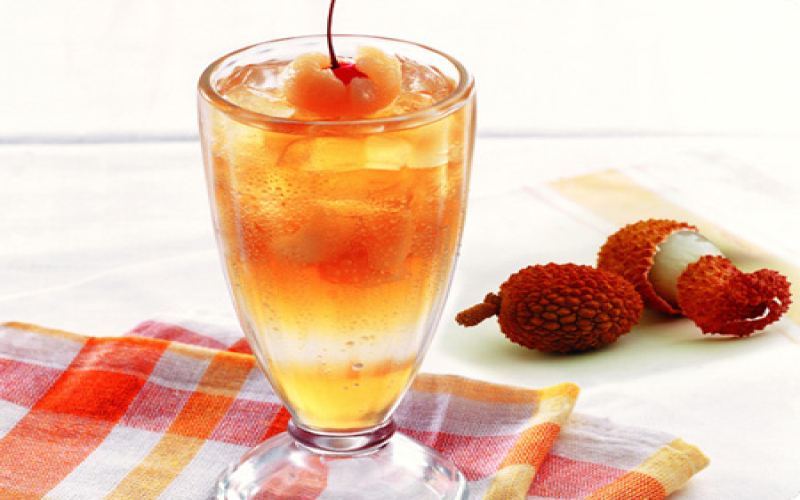
Which categories do lychee black tea, Earl Grey, and jasmine green tea belong to? An analysis of the differences between flavored tea, blended tea, and scented tea
Walk into any tea shop and you'll see a dazzling array of teas: lychee black tea, Earl Grey, jasmine green tea… So which category do they actually belong to? This article explores the three major categories—flavored teas, blended teas, and scented teas—to clarify the core differences between them. Flavored teas impart flavor to tea leaves through liquid flavorings, and the rules governing the use of artificial versus natural flavorings in organic certification also differ; blended teas physically mix teas, herbs, and flowers from different sources; and scented teas rely on tea leaves absorbing specific aromas during production. Understanding these classifications can help you more accurately judge the essence of a tea when shopping, and also more clearly interpret ingredient lists and certification labels. [more…]
Is English Breakfast Black Tea a Blended Tea? A Full Guide to Brewing Temperature and the Blend Recipe
English Breakfast Tea is a classic black tea, often regarded as the ideal drink to dispel morning drowsiness. Is it actually a blended tea? What water temperature should be used when brewing it? This article explores the formula and brewing key points of English Breakfast Tea, citing George Orwell's suggestions in "A Nice Cup of Tea" to explain details such as brewing tea with boiling water and the order of pouring water, and discusses the controversies over adding milk, adding lemon, and the choice between sugar and honey. At the end, it also recommends related products from Front Street Coffee to help tea lovers find a brewing method suited to their own taste. [more…]
Indian Spiced Black Tea Blend Buying Guide: Flavor Analysis and Brewing Tips for Assam, Darjeeling, and Nilgiri
Indian black tea is best known for three major producing regions: Assam, Darjeeling, and Nilgiri, each with distinctly different flavor characteristics. Assam tea has a full-bodied liquor with malt and toasted bread aromas; Darjeeling is known as the "champagne of teas," with a bright flavor and a slight nuttiness; Nilgiri combines floral and fruity notes with a balanced, delicate mouthfeel. Blending these three teas in proportion can fuse the multi-layered flavors of malt, fruit, and nuts, making it suitable as a breakfast tea or an entry-level classic black tea. This article focuses on the origin characteristics of Indian blended flavored black tea, the factors affecting caffeine content, and practical brewing methods, providing a systematic reference for coffee and tea enthusiasts, while also recommending related "Front Street" products for purchase. [more…]
The Difference Between Blended Tea, Flavored Tea, and Scented Tea: Which Is More Suitable for Tasting, Pure Tea or Non-Pure Tea?
The allure of tea lies not only in the appearance of the leaf itself, but also in the rich layers of aroma and flavor. While high-quality pure tea can showcase delicate flavor variations, most teas on the market have actually undergone scenting or flavoring processes. Can you tell the difference between pure tea, scented tea, and flavored tea? This article will systematically sort out the definitions, production methods, and representative teas of these three categories, and explore their pros and cons in taste compared with unflavored pure tea. Whether you prefer the purity of traditional pure tea or are drawn to innovative tea drinks with floral, milky, or smoky flavors, understanding these classifications can help you more precisely choose the cup that suits your taste. [more…]
Darjeeling vs. Assam Black Tea: A Comparative Analysis of Origin Flavors, Brewing Methods, and Buying Tips
India, as a major global tea producer, yields many types of tea with diverse styles. Among its many producing regions, Darjeeling and Assam are undoubtedly two shining stars. Although these two regions are geographically close, differences in altitude, climate, and craftsmanship give rise to distinctly different styles of black tea. This article will carefully sort out the core differences between Darjeeling black tea and Assam black tea from the perspectives of geographical location, flavor characteristics, liquor color, leaf appearance, and picking season, helping coffee and tea enthusiasts more clearly understand the personalities of these two high-quality black teas and find the one better suited to them when purchasing and brewing in daily life. [more…]
Darjeeling vs. Assam Black Tea Comparison: An Analysis of Harvest Season Differences and Liquor Flavor Characteristics
Tea has long been woven into people's daily way of life. India, as a major tea-producing country globally, produces a variety of categories and blends such as oolong tea, black tea, green tea, and masala chai. Tea is often named after its place of origin, and Darjeeling and Assam are two widely popular and famous tea regions. The two are geographically adjacent, yet due to differences in cultivation methods, climate conditions, and altitude, they give rise to teas of strikingly different styles. This article will systematically sort out the differences between Darjeeling black tea and Assam black tea from dimensions such as geographical location, taste, color, leaf appearance, and picking season, helping tea lovers make a more suitable choice based on their personal taste preferences and drinking habits. Front Street Coffee will also provide purchasing references for enthusiasts in this article. [more…]

Can Blended Coffee Beans Be Used for Cold Brew? A Detailed Guide to Cold Brew Ratios and Practical Experience
In the heat of summer, a refreshing glass of cold brew is the go-to choice for many coffee lovers looking to beat the heat. But have you ever considered that coffee beans blended from two or more varieties can also produce an outstanding cold brew? Cold brew, due to its low-temperature, long-duration extraction, has a richer, smoother mouthfeel, yet its floral and fruity notes gradually fade with storage time. This article draws on the hands-on experience of Front Street Coffee, first outlining the characteristics of cold brew and the advantages of blended beans, then recreating several blending experiments one by one: from Sidra with Geisha, Pacamara with Red Cherry, to Huakui paired with Strawberry Candy and Wangshan Geisha, and finally challenging the dark-roasted Queen's Estate blended with Flower God. Some of these recipes are full-bodied and layered, while others flop into a "mask of pain," yet they perfectly showcase the fun and possibilities of blended cold brew. [more…]
A Century of British Tea Merchants: Taylors Earl Grey Black Tea Flavor Analysis: Royal Warrants and a Complete Overview of Classic Series
With over 130 years of blending experience, Taylors of Harrogate is a highly prestigious British tea and coffee company headquartered in Yorkshire, northern England. Founder Charles Edward Taylor established the company in 1886, developing a blended black tea tailored to the local representative water quality, which became the famous Yorkshire tea. Taylors blends up to thirty kinds of black tea from Africa, Assam, and Ceylon, producing a rich, long-lasting brew suitable for making milk tea. The brand adheres to ethical trading and high quality, with products certified by the Rainforest Alliance and holding the Prince of Wales's Royal Warrant, and retail outlets in over thirty-five countries worldwide. This article will introduce in detail the flavor characteristics, recommended brewing methods, and ingredient origins of Taylors' Royal Earl Grey, Lemon & Orange, English Breakfast, Darjeeling, Earl Grey Green, Organic Chamomile, Organic Peppermint, and Yorkshire Tea, with a recommendation from Front Street Coffee at the end for tea lovers' reference. [more…]
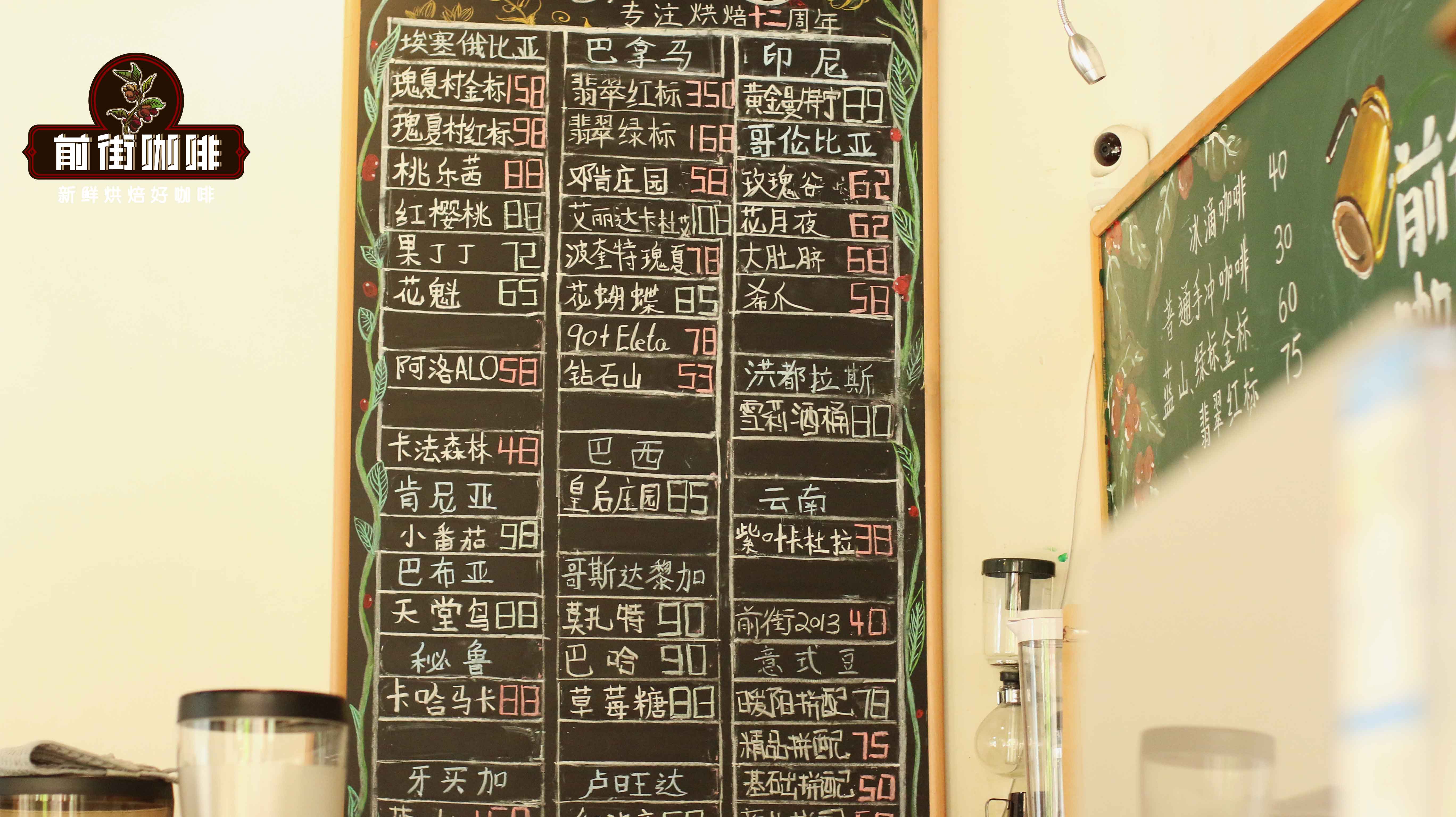
Blended Beans vs Single-Origin Beans | Why Is Espresso Mostly Made with Blended Coffee Beans? Which High-Quality Espresso Beans Should Beginners Start With to Avoid Pitfalls?
Blended coffee and pour-over single-origin coffee are the two most common industry terms, referring to different types of coffee beans. Blended coffee is a recipe that combines coffee beans from two or more origins, usually used for espresso machines, so in order to highlight the crema and body, medium or dark roasting is generally used, allowing [more…]
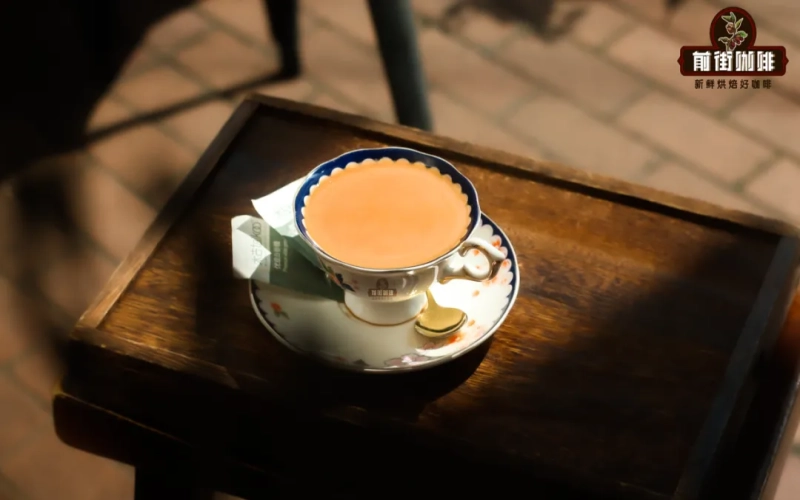
What exactly is Hong Kong-style Yuen Yeung milk tea? Does it contain coffee? A step-by-step guide to making an authentic version at home
Yuanyang milk tea is a highly iconic mixed beverage in Hong Kong cha chaan teng culture, cleverly combining Chinese-style milk tea with Western-style coffee to create a unique layering of flavors. Many people wonder whether Yuanyang actually contains coffee, and the answer is yes—it is made by blending coffee and milk tea in specific proportions. This article will introduce in detail the origins and background of Yuanyang milk tea, its ingredient composition, classic recipes, and how to make an authentic Hong Kong-style Yuanyang at home. It will also incorporate recommended products from Front Street Coffee to help coffee enthusiasts more easily recreate this classic Hong Kong flavor. [more…]
Ceylon Black Tea Brewing Tips: Master the Tea-to-Water Ratio, Temperature, and Time to Say Goodbye to Bitter Taste
Ceylon black tea is renowned for its rich, robust flavor, but improper brewing can easily produce a bitter and astringent taste. This article provides a detailed analysis of the flavoring processes for Ceylon black tea, including internal substances, natural extraction, artificial flavorings, and smoking methods, and introduces classic flavored black teas such as Earl Grey, ginger, cinnamon, and Masala. At the same time, drawing on the practical experience of Front Street Coffee, we share the key parameters for brewing Ceylon black tea—the tea-to-water ratio, water temperature, and time—to help you easily brew a cup of good tea that is neither bitter nor astringent and full of aroma. Whether you are a black tea enthusiast or a beginner, these practical tips can take your tasting experience to the next level. [more…]
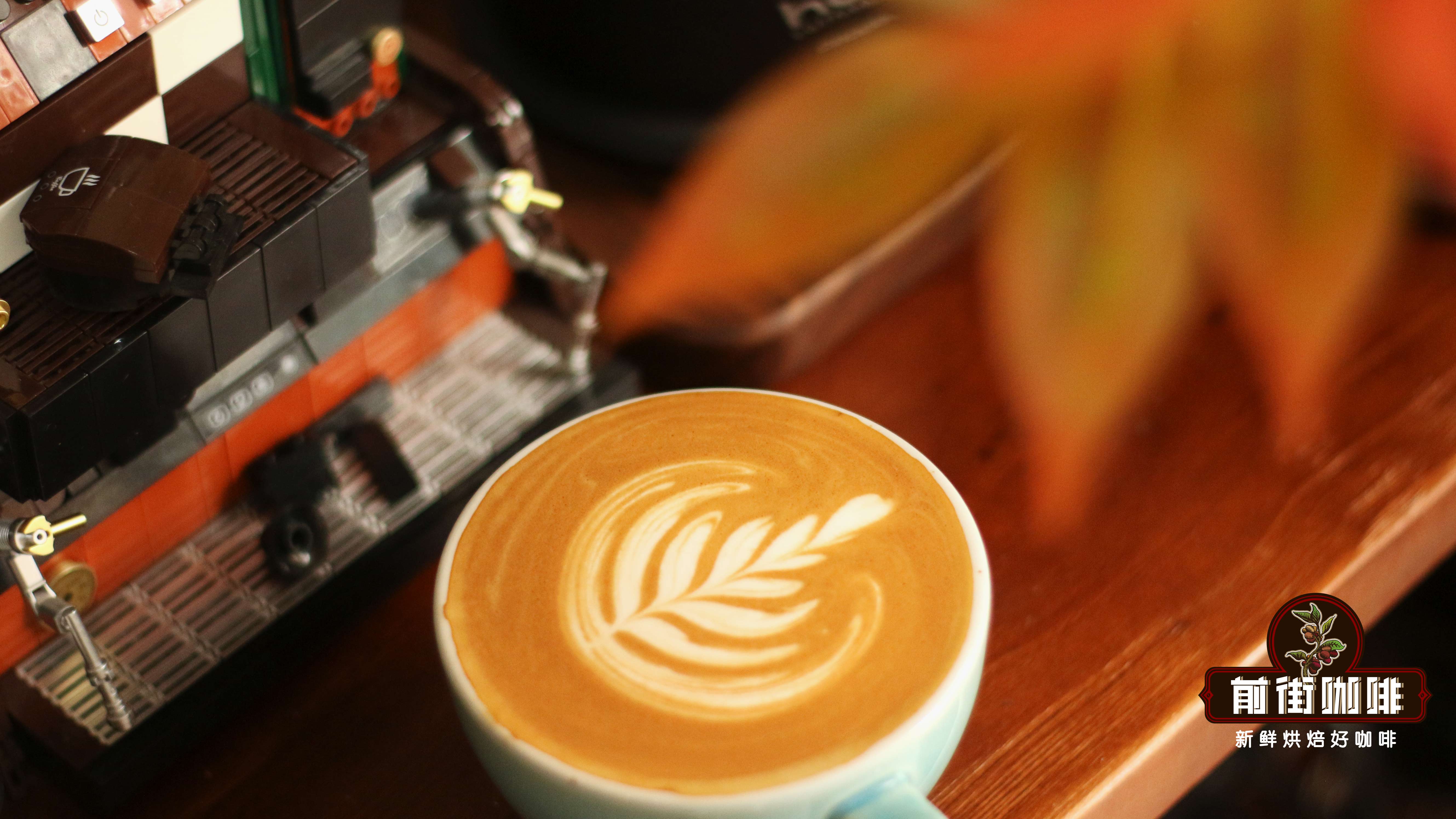
Can Espresso Blend Beans Be Used for Pour-Over? A Full Breakdown of the R&D Process for a Yunnan Typica Autumn Pour-Over Blend
Many people assume that blended coffee beans can only be used for espresso, but Front Street Coffee has proven through actual research and development that pour-over can also handle blended beans. This article provides a complete record of Front Street's process in developing an autumn pour-over blend: from determining Yunnan Typica as the base bean, to pairing it with Yirgacheffe Kochere and Gesha Village Red Label Natural Geisha, and then to the repeated adjustments of the raw blend roasting curve and cupping verification. You will see the blending approach, the logic behind selecting the base and companion beans, the trade-offs between raw blending and roasted blending, the details of the roasting parameters, and the final flavor expression of black tea, cocoa, caramel, and jackfruit. [more…]
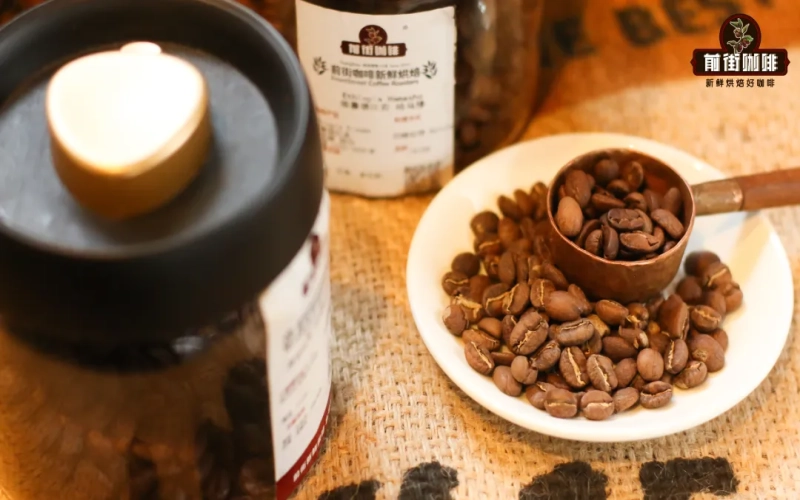
Espresso and Pour-Over Coffee Liquid Blending Methods: A Comprehensive Analysis of Ratio Options and Practical Parameters
Coffee blending usually refers to mixing different coffee beans, but have you ever thought about blending separately brewed coffee liquids? This approach is not only feasible but also extremely flexible—each bean can be extracted individually using its optimal parameters, then blended in proportions as needed, trying different combinations in small batches. Front Street Coffee uses Xizhua and Guodingding as examples to share specific ideas for coffee liquid blending: beans with a heavier fermented character paired with washed-process coffee can both balance the fermented notes and improve cleanliness. The article provides detailed flavor descriptions for two blending ratios, 1:1 and 1:2.5, along with brewing parameters and key operational points, suitable for coffee enthusiasts to try at home. [more…]
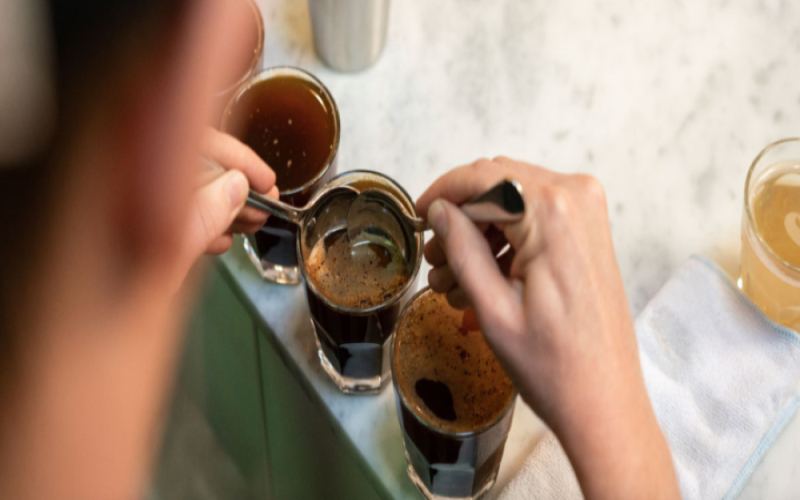
The specialty coffee scene is shifting: from single-origin hype to a rational return to high-quality blends
For many years, single-origin coffee has been practically synonymous with specialty coffee; from coffee shops to the World Coffee Championships, single-origin beans have been highly revered. However, over the past year, the global specialty coffee market and top competitions have quietly shifted direction, and high-quality blended coffee beans are returning to the spotlight. Behind this shift are both the practical pressures of climate and transportation costs and consumers' fundamental demand for stable, balanced flavors. This article will examine, from the perspectives of market trends, competition cases, and blending expertise, why the specialty coffee world is no longer blindly pursuing single origins, and how blended coffee is shedding its low-quality label to become the industry's new focus. [more…]

Types of Espresso | What Is Single-Origin Espresso (SOE)? How Do SOE and Blended Coffee Differ in Brewing Ratio, Flavor, and Mouthfeel?
For more specialty coffee knowledge, please follow our WeChat official account: Front Street Coffee (FrontStreet Coffee). When you usually drink fancy coffee, where does the coffee flavor come from? Actually, it comes from our espresso. The method of brewing coffee quickly under high pressure is called Esp. [more…]
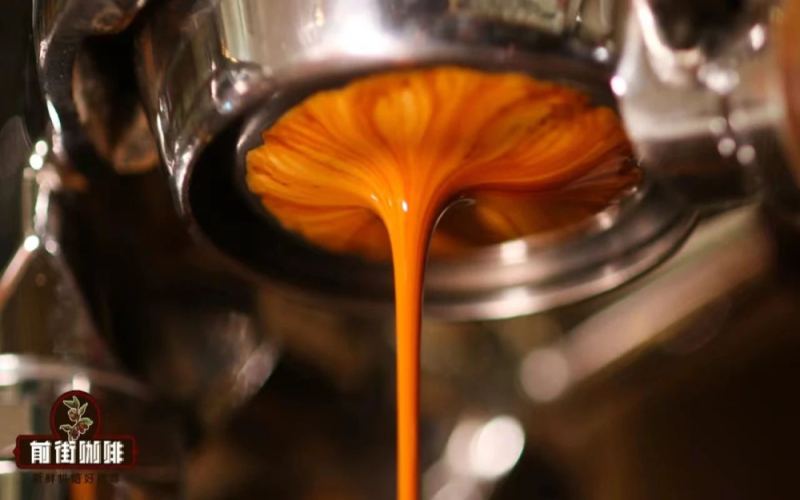
SOE Single-Origin Espresso vs. Blended Espresso: Brewing Parameters, Flavor Profile, and Preparation Explained
In specialty coffee drinks, espresso is the foundation that determines flavor. In recent years, SOE (Single Origin Espresso) made from single-origin coffee beans has gradually become popular. It differs noticeably from traditional blended espresso in bean selection, roast level, extraction parameters, and flavor expression. This article will start from the definition of SOE, compare the characteristics of blended coffee beans, analyze why SOE has become popular, and use the washed Front Street Gedingding beans from Ethiopia's Yirgacheffe region as an example to fully demonstrate the production process and extraction parameters of a cup of SOE espresso, while also providing a flavor description to help coffee enthusiasts fully understand this brewing method. [more…]
Sri Lankan Ceylon Black Tea Brand Recommendations and Brewing Tips: How to Choose a Delicious Tea That Isn't Bitter
As a world-renowned tea, Ceylon black tea's taste is directly influenced by brand selection and brewing methods. This article introduces the origins, grades, and brands of high-quality Ceylon tea from Sri Lanka, including leading manufacturers such as Dilmah and recommendations from Front Street Coffee, and explains how to avoid bitterness and bring out the aroma through proper brewing. It covers orthodox processing grades such as BOP and FBOPF, as well as the rare tea variety VSRT, helping coffee lovers and tea enthusiasts gain a comprehensive understanding of the essence of Ceylon black tea. [more…]